Supports and visible foundation
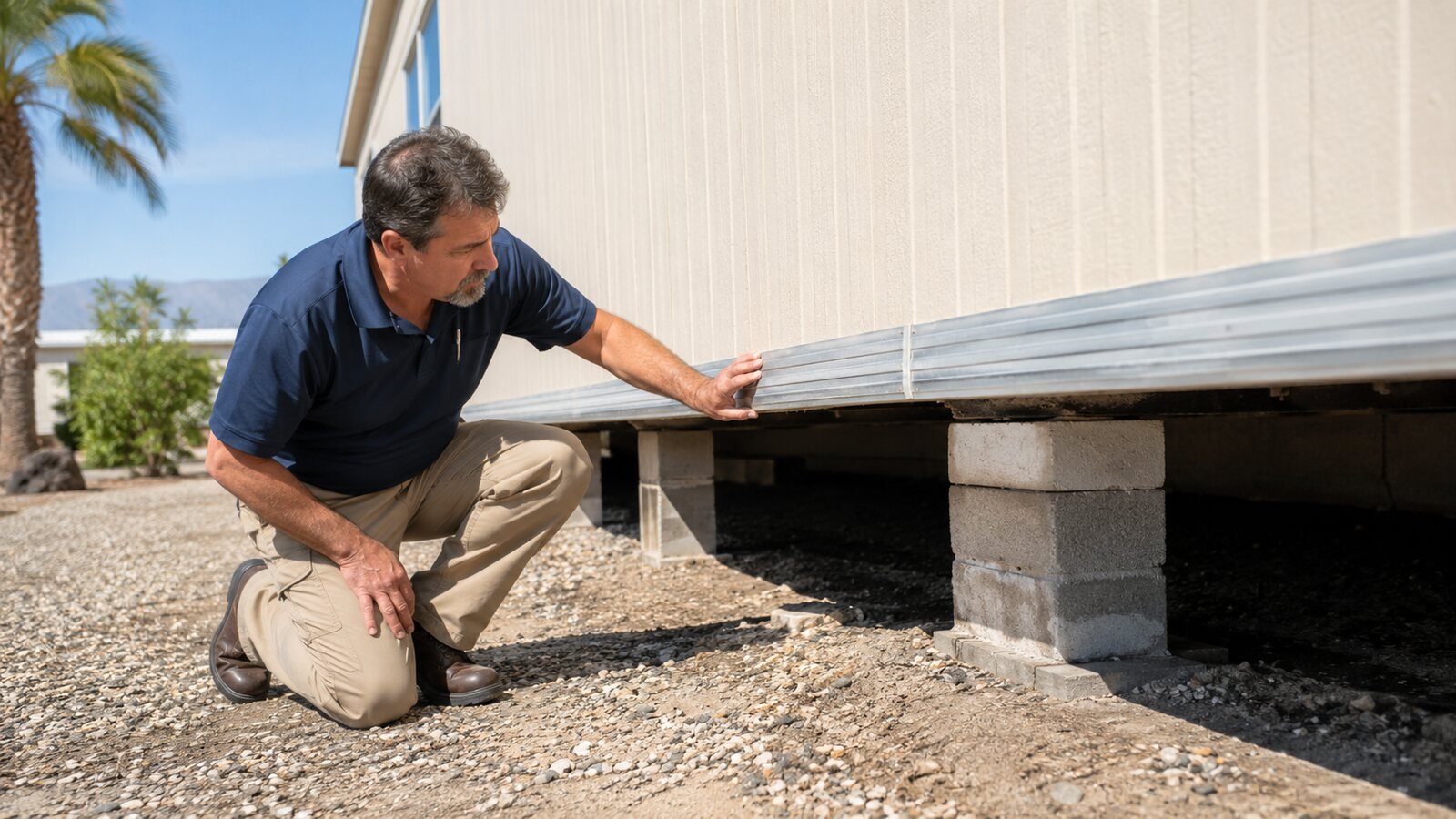
Accessible piers, supports, anchoring components, perimeter foundation conditions, and signs of movement or moisture.

Manufactured home inspections
A photo-supported inspection of the home’s accessible systems, exterior, interior, support conditions, skirting, and visible site connections.
Inspection scope
The inspection includes the visible, safely accessible components present at the property and documents limitations when skirting, stored items, finishes, or site conditions restrict access.
Accessible piers, supports, anchoring components, perimeter foundation conditions, and signs of movement or moisture.
Visible skirting, ventilation, access openings, under-home plumbing, insulation, and ground conditions where safely accessible.
Roof coverings, drainage, siding, trim, doors, windows, decks, steps, grading, and visible utility connections.
Service equipment, accessible panels, representative devices, visible piping, fixtures, water heater, and functional flow.
Installed heating and cooling equipment, controls, visible distribution, and basic operation when conditions permit.
Accessible rooms, floors, walls, ceilings, doors, windows, kitchen equipment, and laundry connections.
Clear documentation
Findings are supported with photographs and written in plain English. The report identifies observed concerns, documents inspection limitations, and separates repair priorities from routine maintenance.
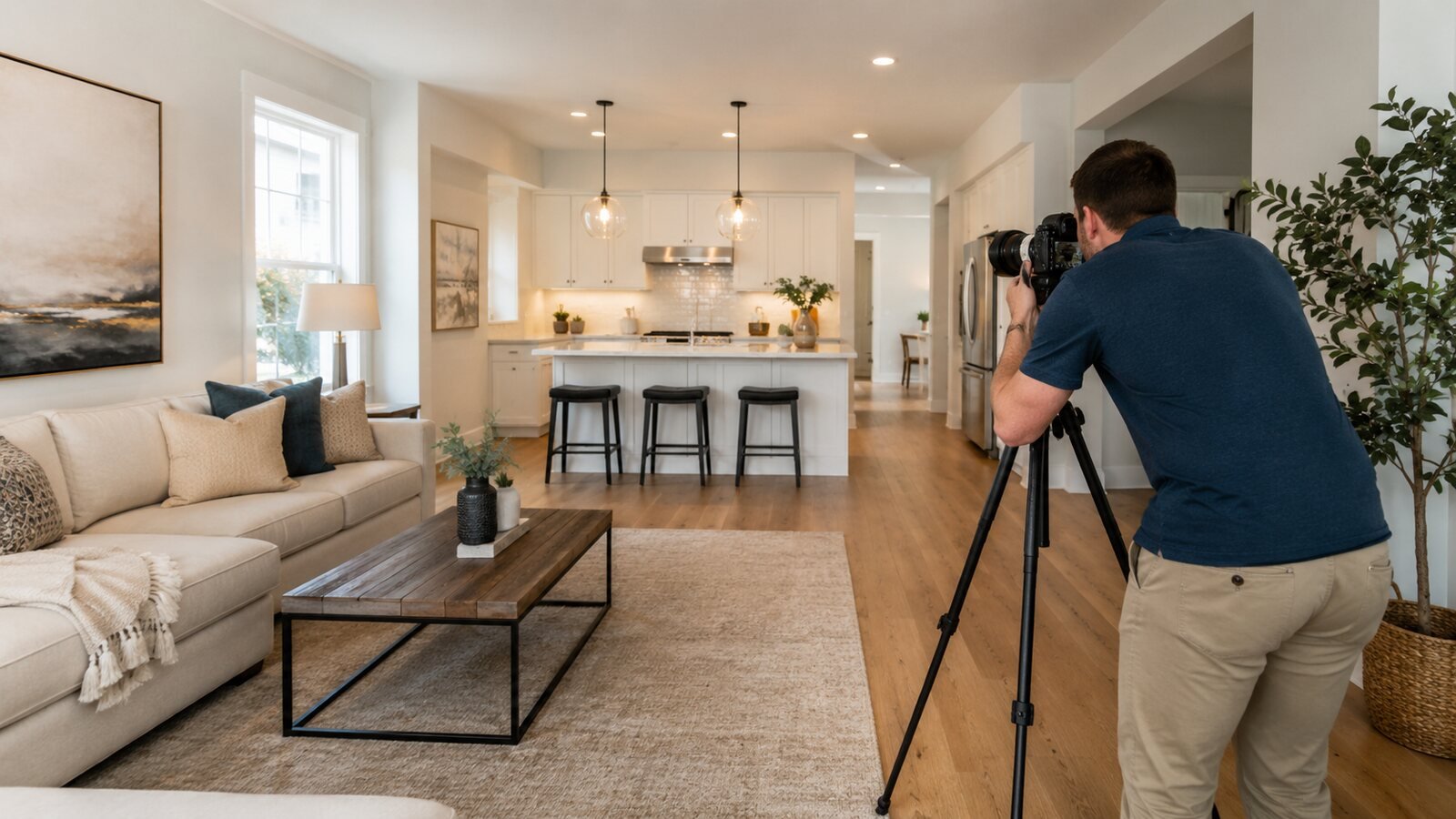
This is a non-invasive visual inspection of the systems and components included in the confirmed scope. Concealed, unsafe, inaccessible, or association-maintained areas are excluded unless specifically included and accessible at the appointment. Any limitations are documented in the report.
Final pricing is confirmed after the property details and requested scope are reviewed.
Final price follows the published fixed-price rule or the property-specific scope confirmed before acceptance.
Work is limited to the agreed service, safely accessible areas and stated deliverables. Destructive testing, repairs, engineering, warranties and guarantees are excluded unless separately agreed.
See the full Home Inspections division for related options and packages.
View Related ServicesHome Health Plan can keep property condition documentation and care on a recurring schedule where appropriate.
View Home Health PlanTravel, route availability and mileage rules depend on the property location.
Check Service AreasInspection scope & expectations
A home inspection is a visual, non-invasive evaluation of the readily accessible systems and components of a property at the time of the inspection. The purpose is to identify material defects, visible safety concerns, signs of deterioration, improper installation, deferred maintenance, and conditions that may warrant additional evaluation or repair.
During the inspection, accessible areas and installed systems are observed and, where appropriate, operated using normal controls. The inspection represents the condition of the property only at the time it is performed. Conditions can change after the inspection because of weather, occupancy, equipment failure, repairs, leaks, movement, utility interruption or other events.
Walls, ceilings, floors, roofing, siding, cabinetry, insulation and equipment are not dismantled simply to determine what may exist behind or beneath them. Concealed defects may exist even when no visible evidence is present.
Areas are inspected when they can be entered or observed safely and without causing damage. Roofs, attics, crawlspaces, panels, rooms or equipment may be limited by unsafe conditions, access restrictions, stored belongings, snow, locked areas or shutdown systems.
The inspection does not provide structural calculations, load analysis, market value, replacement cost or investment value. Significant movement, cracking or structural concerns may be referred to an engineer or other qualified specialist.
A standard inspection is not a municipal code-compliance inspection or laboratory environmental assessment. Suspected environmental or specialty conditions may require separate testing or specialist evaluation.
The inspection does not determine insurance eligibility, coverage, claim value or whether a carrier will insure a specific condition. Insurance underwriting and claims are separate professional activities.
No inspection can guarantee that every defect will be discovered or that every component will continue operating after the inspection. Mechanical equipment, plumbing, electrical components and roofing can fail or leak after the inspection.
Some conditions require expertise, licensing, destructive investigation, laboratory testing or equipment beyond a general visual inspection. Depending on what is observed, further evaluation may be recommended by a structural engineer, electrician, plumber, HVAC contractor, roofer, chimney specialist, septic or well professional, pest professional or environmental testing specialist.
The value of an inspection is not simply a defect checklist. It helps the client understand the property’s overall condition, significant concerns, maintenance needs, safety issues and areas where additional evaluation may be appropriate. Smart Start’s role is to document what can reasonably be observed, explain significant findings clearly, identify important limitations and provide practical recommendations.
Detailed service guide
See what the service is designed to evaluate or document, what is included, important limitations, what you receive, how to prepare, and when a specialist or additional service may be appropriate.
Read the Full Guide